
Key Takeaways
- AI marketing automation is essential for modern business strategies.
- Utilizing AI helps streamline processes and enhance marketing efficiency.
- AI can significantly improve return on investment (ROI).
- Successful case studies show the impact of AI on engagement and sales.
- Choosing the right platform is critical for successful implementation.
Table of contents
- Understanding AI Marketing Automation
- The ROI of AI Marketing Automation
- Case Studies Demonstrating Success
- Implementation Guide for AI Marketing Automation
- The Best AI Marketing Automation Platforms
- Practical Use Cases of AI Marketing Automation
- Conclusion
- Call to Action
- Frequently Asked Questions
Understanding AI Marketing Automation
What Is AI Marketing Automation?
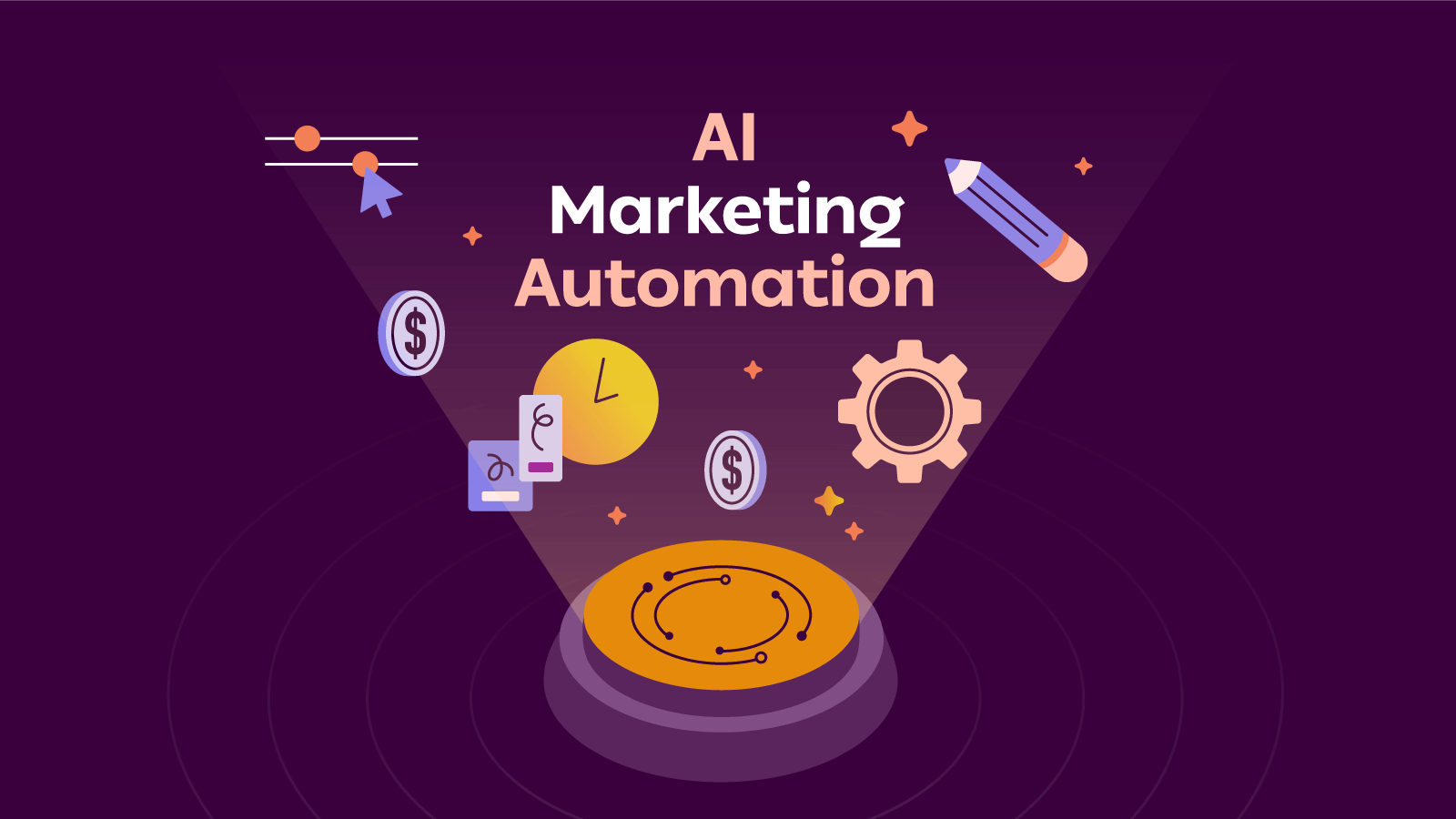
So, what exactly is AI marketing automation? Simply put, it refers to the integration of artificial intelligence with marketing workflows. Think of it like turbocharging your marketing operations using advanced algorithms and machine learning that can automate, optimize, and personalize tasks. It’s a bit like having a smart assistant that knows just what your customers want and when they want it!
According to leading sources, “AI marketing automation refers to the integration of artificial intelligence such as machine learning…” You can delve deeper into this here.
Streamlining Processes with AI
Now, let’s talk about how AI marketing automation unifies various marketing activities like email campaigns, social media, customer relations management (CRM), and analytics. By doing this, businesses can create consistent marketing strategies with much less manual effort. Gone are the days of drowning in repetitive tasks!
Imagine you’re in a café sipping your coffee, and your marketing emails are already reaching the right customers at the right time without you lifting a finger. That’s the beauty of AI in streamlining processes! Research has shown that “AI unifies various marketing activities… reducing manual effort and eliminating repetitive tasks” (source). Imagine the time saved that can be allocated toward more creative marketing strategies!
The ROI of AI Marketing Automation
The Numbers Behind the Magic
Talking about AI marketing automation, you can’t ignore the AI marketing automation ROI. Statistics reveal that incorporating AI can drastically enhance return on investment. According to studies, “AI-powered marketing automation can improve return…” (source).
But how do businesses measure ROI? It boils down to crucial metrics like conversion rates, customer acquisition costs, and overall campaign efficiency. With automated A/B testing and real-time optimizations, companies can see significant boosts in their ROI just by tweaking their campaigns based on the insights AI provides.
For example, imagine running a campaign where you’re analyzing real-time data to tweak your ads within minutes. That’s the kind of speed and efficiency that AI brings to the table!
Case Studies Demonstrating Success
Real-World Success Stories
Let’s switch gears and look at some AI marketing automation case studies. Sure, everyone loves numbers, but sometimes the best way to understand something is through real-world examples. Many businesses have successfully integrated AI marketing automation into their strategies and seen remarkable engagement growth.
For instance, a well-known e-commerce brand used AI to personalize their email campaigns, leading to a significant increase in open rates and, more importantly, sales. According to research, “Industry leaders showcase how AI-powered automation enables personalized customer experiences” (source). On the flip side, some brands faced challenges during their transition to AI marketing automation, like data quality issues and a few hiccups with user adoption. However, the key is that those who sought the right solutions and platforms found their way to success amidst the growing pains.
Implementation Guide for AI Marketing Automation
Steps for Integration
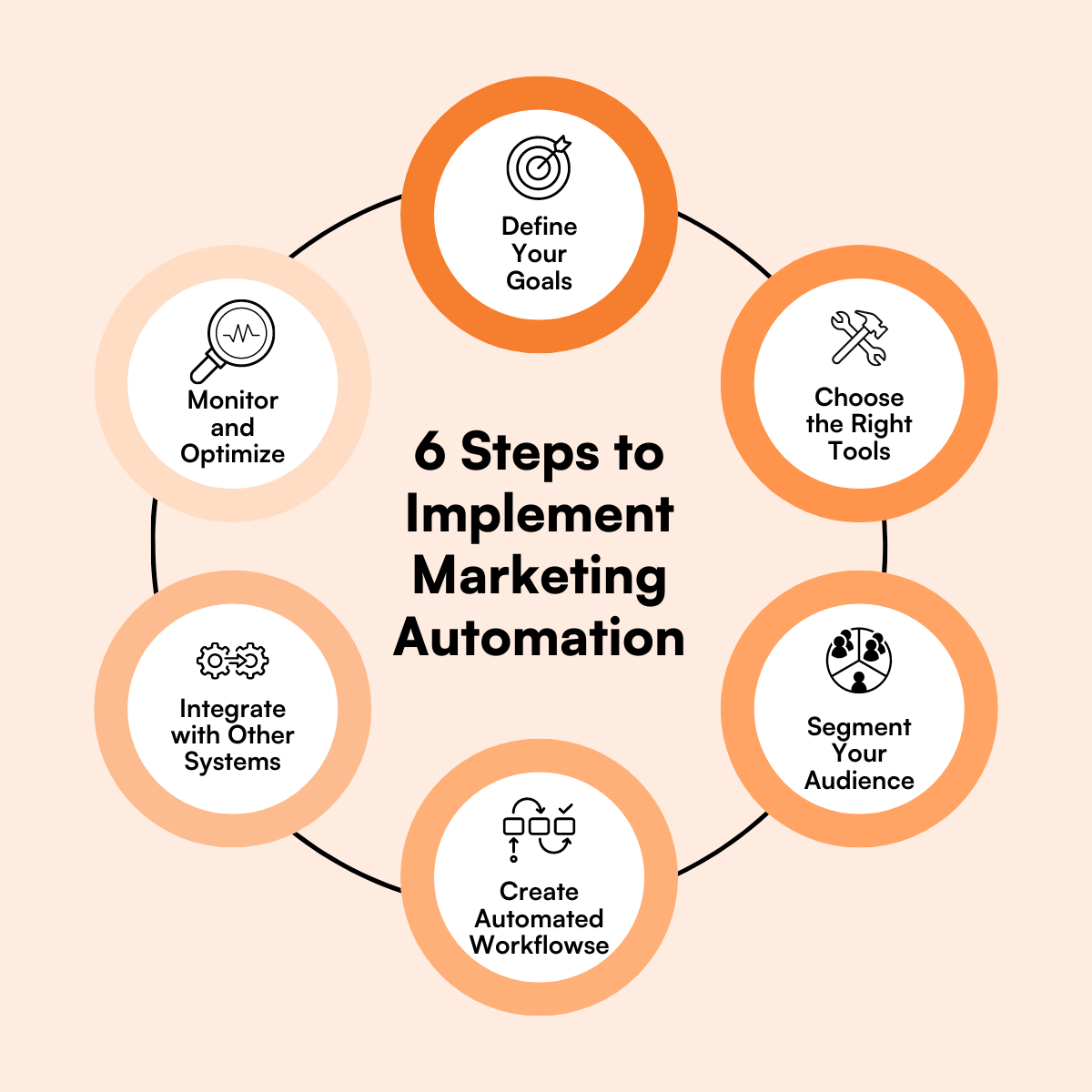
Ready to jump on the AI marketing automation bandwagon? Here’s a handy AI marketing automation implementation guide to help get you started:
- Assess Current Marketing Processes: Identify areas ripe for automation.
- Select the Right AI Platforms: Choose platforms that fit your specific needs. There are many out there! Make sure it’s scalable.
- Prepare Data for AI Algorithms: Quality data is essential, so ensure your info is clean and organized.
- Conduct Pilot Testing: Start small to see what works best.
- Scale and Optimize: Use those performance metrics to improve continually. “Ensure your data is clean, organized, and accessible for AI algorithms” (source).
Tips and Common Pitfalls
While diving into AI marketing automation is exciting, it’s not without its pitfalls. Common mistakes include overlooking data quality and not providing enough training for your team. Remember, aligning your AI initiatives with your business goals is crucial!
Avoid these pitfalls by collaborating with your team on training sessions and setting clear, measurable goals for your AI initiatives. For detailed insights, consider checking out our AI Marketing Automation Strategy for aligning your goals effectively.
The Best AI Marketing Automation Platforms
Comparing the Top Platforms
Let’s talk about the best AI marketing automation platforms out there. Here’s a quick comparison to help you decide:
| Platform | Key Features | Pricing | Best For |
|---|---|---|---|
| Sprinklr | Omnichannel, AI-driven analytics, personalization | Custom | Large enterprises |
| Insider | Real-time personalization, campaign optimization | Custom | E-commerce, retail |
| HubSpot (AI add-ons) | Predictive analytics, content generation | Tiered | SMBs, marketing agencies |
| IBM Watson | Advanced AI, analytics, integration | Custom | Large enterprises, analytics |
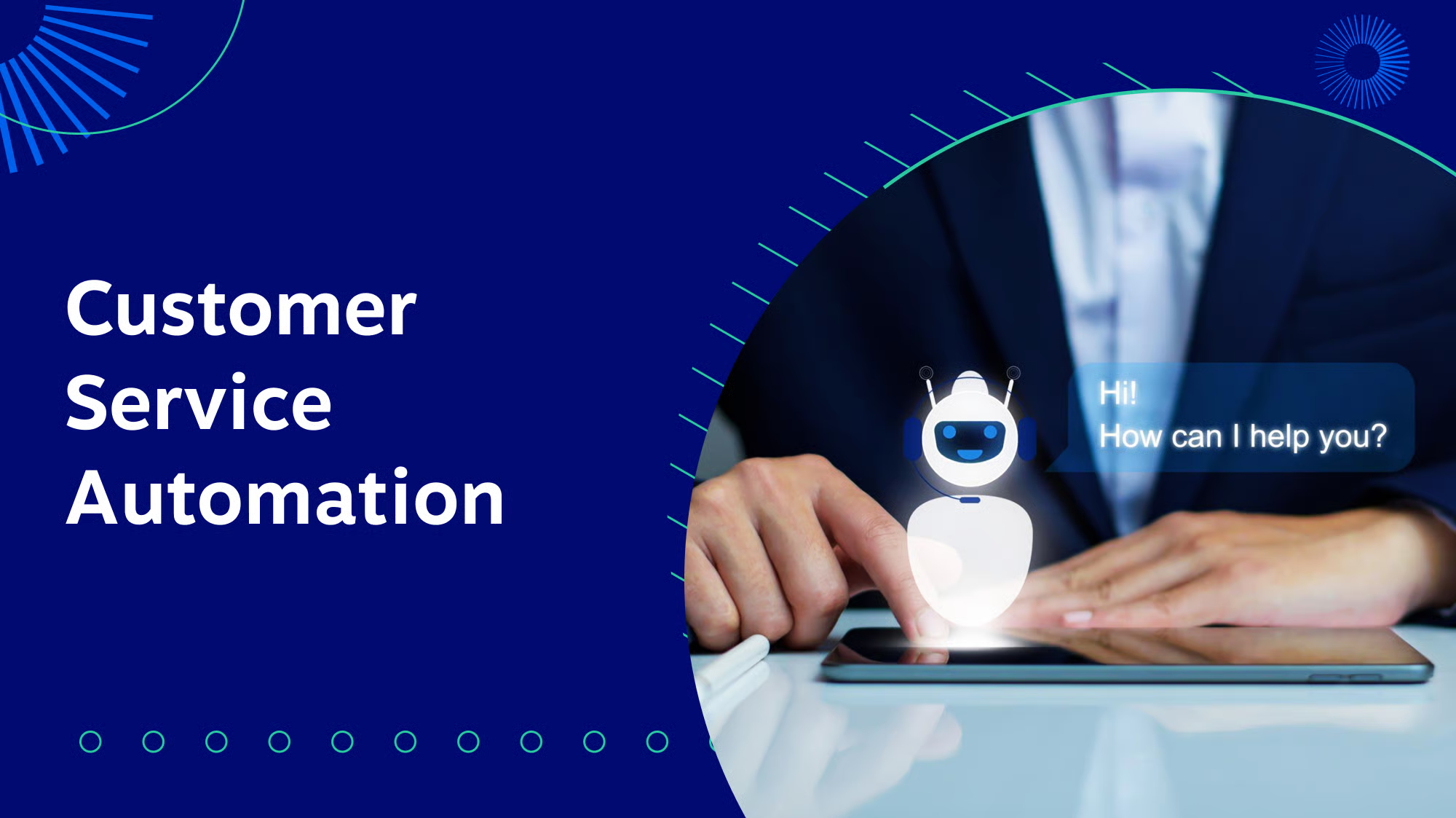
When selecting a platform, keep in mind your company size, budget, and specific marketing needs. Some platforms excel in e-commerce, while others are designed for comprehensive analytic solutions. For a deeper take on platform selection, visit our AI Customer Support Automation Guide.
Practical Use Cases of AI Marketing Automation
Industry-Specific Applications
AI isn’t one-size-fits-all; it has diverse AI marketing automation use cases across several industries. Check this out:
- Retail: Personalizing recommendations based on customer behavior, plus dynamic pricing.
- Healthcare: Engaging patients through automated reminders and ongoing management.
- Technology: Scoring leads and evaluating demand generation in real-time.
Research indicates that “AI enables brands to deliver tailored messaging…” (source). For example, think about how an online store can personalize shoppable ads within minutes, boosting customer engagement significantly!
Conclusion
To wrap things up, AI marketing automation is not just a trendy buzzword; it’s a legitimate game changer for businesses. By harnessing AI’s strengths, companies can streamline their marketing processes, deliver personalized customer experiences at scale, and enjoy impressive returns on investment.
So, is your business considering diving into AI marketing automation? If so, don’t hesitate! It’s an essential investment that could set you apart from your competitors. Let’s start a conversation—drop your experiences or questions in the comments!
Call to Action
Explore some of the leading AI marketing automation platforms we’ve discussed, like Sprinklr, Insider, or IBM Watson. And hey, if you’re curious about how to implement these strategies effectively, consider downloading our implementation guide or subscribing for ongoing insights into AI marketing automation practices you won’t want to miss!
Happy automating!
Frequently Asked Questions
Q1: What is AI marketing automation?
A1: AI marketing automation refers to the use of artificial intelligence technologies to automate marketing tasks, improving efficiency and personalization.
Q2: How can AI marketing automation improve ROI?
A2: By providing actionable insights and enabling real-time optimizations, AI can boost conversion rates and reduce customer acquisition costs, leading to a higher ROI.
Q3: What are some examples of AI marketing automation?
A3: Examples include personalized email targeting, automated customer interactions, and data-driven decision-making processes.
Q4: What platforms are best for AI marketing automation?
A4: Some leading platforms include Sprinklr, Insider, HubSpot, and IBM Watson, each catering to different business needs.