

Estimated Reading Time: 6 minutes
Key Takeaways:
– AI sales automation enhances efficiency and accuracy.
– Personalization boosts customer relationships.
– Choosing the right tools is essential for success.
– Continuous monitoring improves strategies.
Table of Contents
- Introduction
- Understanding AI Sales Automation
- Benefits of AI Sales Automation
- Efficiency Tips for Implementing AI Sales Automation
- Creating a Sales Automation Workflow
- Conclusion
- Call to Action
Introduction
Hey there! So, let’s dive into something super exciting that’s shaking up the world of business—AI Sales Automation. Now, you might be wondering, what exactly is that? Well, in simple terms, it’s all about using the magic of artificial intelligence to make the sales process smoother and more efficient. It reduces human error while ramping up productivity, giving businesses a serious edge. As technology advances, the significance of AI sales automation is skyrocketing, helping teams work smarter, not harder, and driving performance like never before. Let’s explore this together, shall we?
Understanding AI Sales Automation
Overview of AI Technology in Sales
So, here’s the deal: AI in sales automation is like having a powerful assistant that can help you crush different stages of the sales cycle. Picture this—AI steps in to automate those repetitive tasks like updating spreadsheets or scheduling meetings, letting you focus on what really counts: building connections with your clients. This isn’t just about doing the same thing faster; it’s about optimizing your entire approach to sales.
Key aspects include tools for lead prioritization, which help you decide who to contact first, as well as forecasting tools that give you a sneak peek into future sales. It enhances your strategy by spotlighting high-value activities that can really move the needle. For a deeper dive into this, check out the insights from Master of Code.
Importance of AI in Modern Sales Strategies
In today’s fast-paced market, it’s all about leveraging data to drive decisions. AI lets sales teams make data-driven choices that can streamline operations and reach clients more effectively. By personalizing interactions based on customer behavior, businesses can increase loyalty and satisfaction. Imagine having the ability to tailor your pitch to exactly what a potential customer needs—talk about powerful! Learn more about AI’s role in modern sales from Master of Code.
Benefits of AI Sales Automation
Increased Efficiency
Let’s talk about the major perks of AI sales automation. First up, it drastically increases efficiency. Remember how tedious it used to be to manually input data or follow up with leads? Ugh, right? Well, with AI handling those tasks, your sales team can spend more time doing what they’re great at—building relationships and closing deals. This shift in focus can lead to huge productivity gains. Quite the game-changer if you ask me! Check out the details on this from Momentum and McKinsey.
Improved Accuracy
Next on the list is improved accuracy. We all know that errors happen, especially when you’re dealing with data entry. But guess what? AI minimizes those common mishaps, meaning your sales records will be more reliable. You’ll get to focus on genuine leads without worrying about incorrect follow-ups. How refreshing is that? For more on this benefit, take a look at Markopolo.
Personalization
Now, let’s talk about personalization. Everyone loves a tailored experience, right? AI analyzes customer data, which allows businesses to create personalized sales experiences. When you present someone with what they specifically want, the chances of them converting skyrockets. It’s all about understanding your customers better and catering to their needs. Check out how personalization works in-depth at Master of Code.
Scalability
On top of that, AI allows for scalability. As your business grows, so do your tasks. But with AI, you can scale operations without a straight-line increase in costs. Tasks that used to require more employees can be efficiently automated, helping you keep expenses in check while maintaining growth. For additional insights, see Master of Code.
Data-Driven Insights
Last but definitely not least, let’s not forget about data-driven insights. AI doesn’t just save time; it also provides you with actionable insights. Imagine having a tool that can analyze tons of data and then offer strategic recommendations based on that analysis. It can really enhance decision-making and sharpen your sales forecasting abilities. For more on this topic, visit Markopolo and McKinsey.
Efficiency Tips for Implementing AI Sales Automation
Assess Your Current Sales Workflow
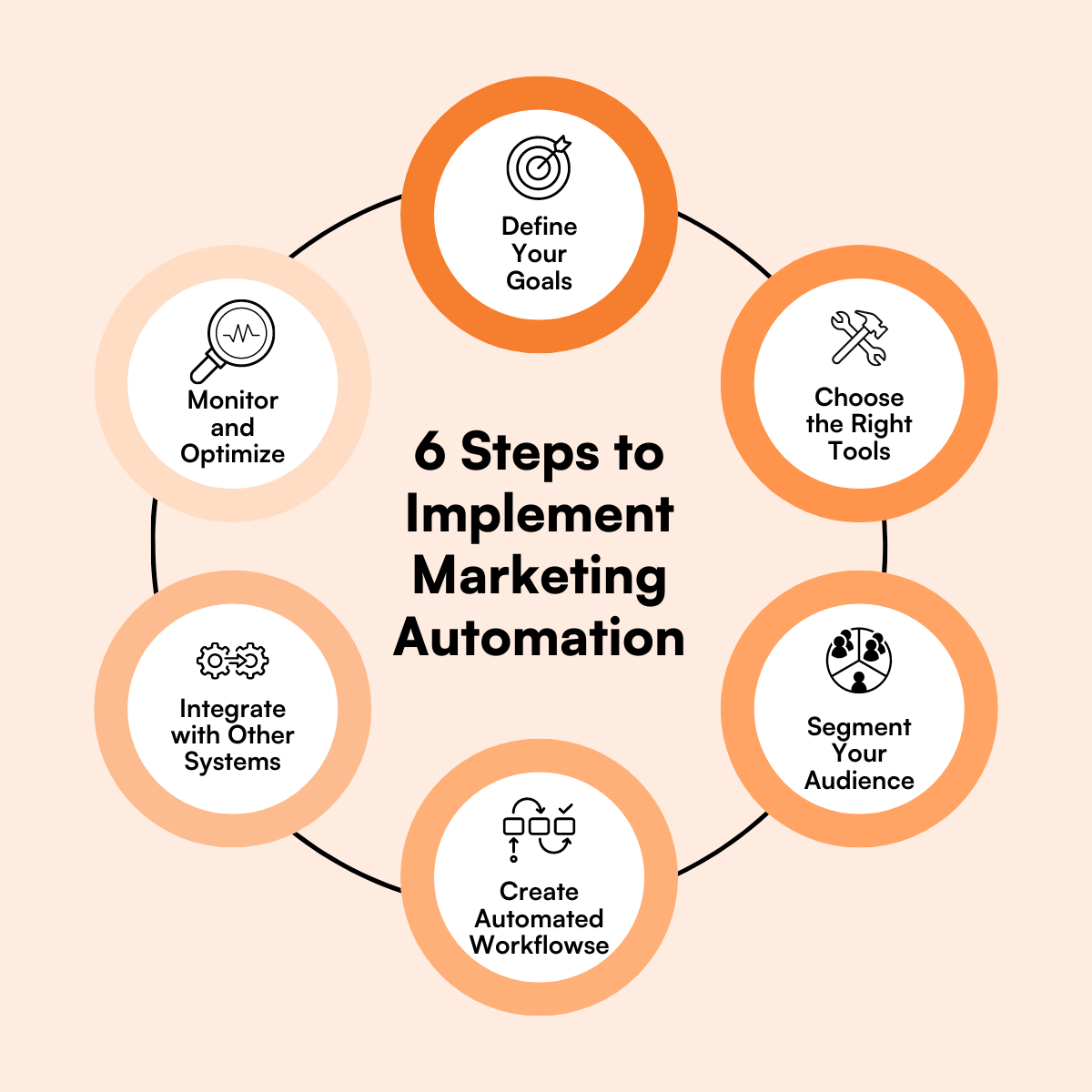
Alright, now that we’ve tackled the benefits, let’s dive into how you can actually implement AI sales automation in your operations. The first step? Assess your current sales workflow. Take a good hard look at your processes and see what’s working and what’s not. Identify pain points that could benefit from automation, so you’re setting yourself up for success right from the get-go.
Choose the Right Tools and Platforms
Next, it’s crucial to choose the right tools and platforms. There’s a lot out there, but not every tool is going to be a good fit for your business goals. You want to select AI tools that resonate with your objectives and integrate well with your existing systems.
Integrate with Existing Systems
Speaking of existing systems, make sure you integrate with them smoothly. You don’t want a clunky setup that disrupts your team’s workflow. A seamless integration with your current Customer Relationship Management (CRM) systems will save you headaches down the line. For best practices on such integrations, refer to AI Marketing Automation Guide.
Train Your Team
You can’t overlook the importance of training your team. Once your AI tools are in place, it’s essential to get your staff up to speed on how to use them effectively. You don’t want anyone left scratching their head in confusion when it’s crunch time!
Monitor and Adjust
Lastly, implement a consistent feedback loop to monitor and adjust your automation tools. Regularly evaluate how things are working, and be open to making tweaks as needed. Remember, it’s about continuous improvement!
Creating a Sales Automation Workflow
Designing an Effective Workflow
Okay, let’s talk about crafting a killer sales automation workflow. Start by designing an effective workflow that clearly outlines the steps in your sales process. This may include lead generation, nurturing, and follow-up strategies. For insights into automation strategies, check out our post on AI Agents for Startups.
Mapping Touchpoints
Identify those key touchpoints within the sales process that could really use some automation magic. For instance, automating follow-up emails or scheduling meetings can save you loads of time and help ensure that nothing falls through the cracks.
Testing and Refining
Finally, don’t forget about testing and refining the workflow once it’s up and running. Use data from sales performance to consistently enhance your process. If something isn’t working as planned, don’t be afraid to adapt!
Conclusion
So there you have it—AI sales automation is an absolute game-changer in driving sales excellence and efficiency. This technology not only streamlines processes but also opens doors to tailored customer interactions and insightful data analysis. Embracing AI solutions that are right for your business is crucial in today’s ever-evolving sales landscape. So, are you ready to take that leap?
Call to Action
I’d love to hear about your experiences with AI sales automation! Have you implemented any systems that made a difference? If you have any additional tips, please share! And if you’re thinking about diving deeper into AI sales automation services, don’t hesitate to reach out. Let’s chat about how we can optimize your sales operations together!